

Dental implants are designed to be a long-term solution for missing teeth. With proper care and good oral hygiene, the titanium post fused into your jawbone can last decades — often a lifetime. The crown attached on top typically lasts 10 to 15 years or longer before it may need replacement. Results vary based on individual health, habits, and how consistently you attend follow-up care.
- The implant post (titanium screw) is built to last a lifetime with proper care; the crown on top may eventually need replacing.
- Bone density, gum health, and daily habits like smoking significantly affect how long implants last.
- Regular professional cleanings — especially Guided Biofilm Therapy (GBT) — protect both the implant and the surrounding tissue.
- Implants generally outperform traditional dentures and bridges in long-term function, bone preservation, and stability.
- Age is rarely a barrier — adults of all ages in Boca Raton and surrounding communities are candidates for implants.
What Makes Dental Implants So Durable?
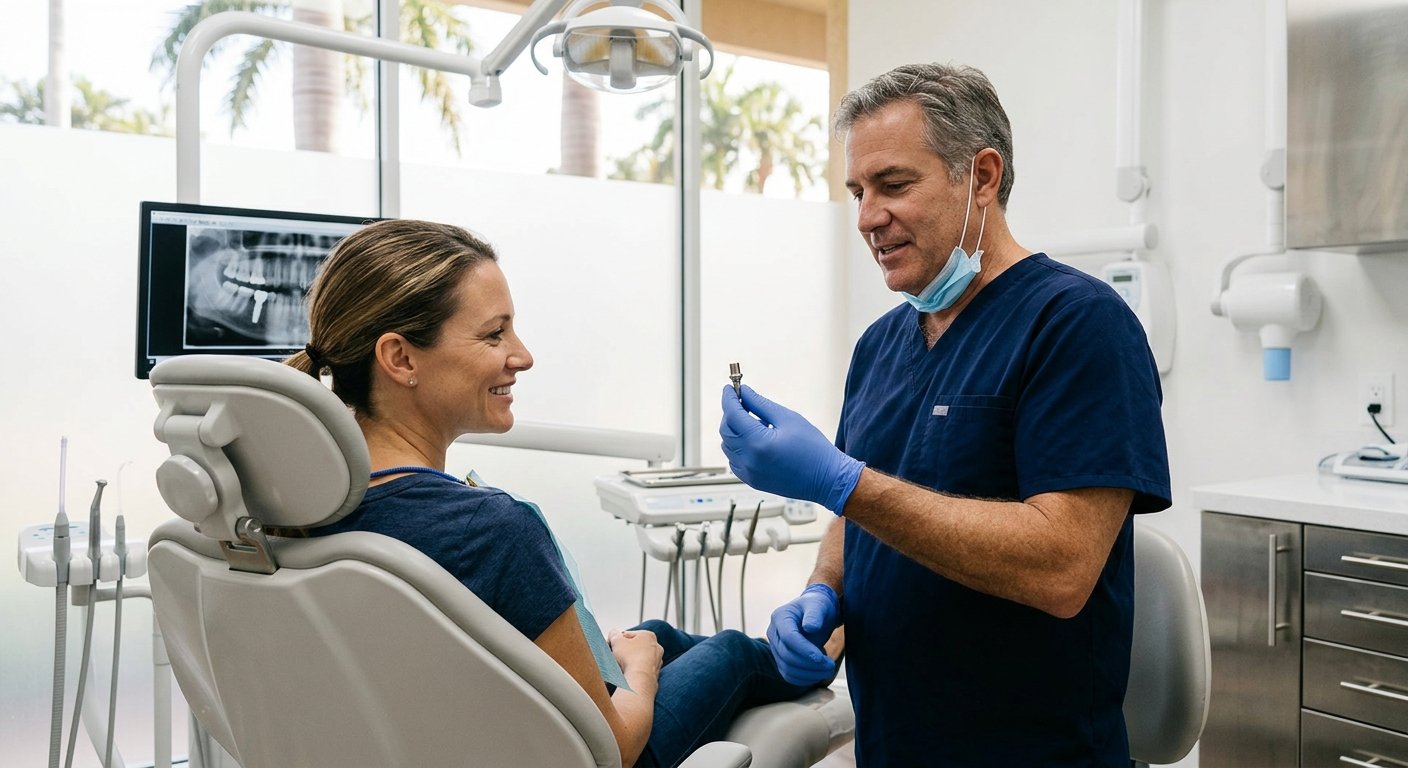
Unlike dentures that rest on your gums or bridges that depend on neighboring teeth for support, a dental implant is anchored directly into the jawbone. The titanium post undergoes a process called osseointegration — where the bone actually fuses to the implant surface, creating a stable foundation similar to a natural tooth root. This biological bond is what gives implants their remarkable staying power.
The implant system has three components: the titanium post, a small connector piece called an abutment, and the visible crown on top. The post is what dentists refer to when they talk about an implant “lasting a lifetime.” The crown, exposed to daily chewing forces, is more subject to wear and may need attention after a decade or more.
According to the implant survival research reviewed by OsseoNews, long-term clinical studies consistently report implant survival rates above 95% at 10 years, making them one of the most predictable restorations in modern dentistry.
Factors That Influence Implant Longevity
Not every implant experience is identical. Several factors play a meaningful role in how long your implants perform at their best — and understanding them helps you protect your investment.
Bone Health and Density
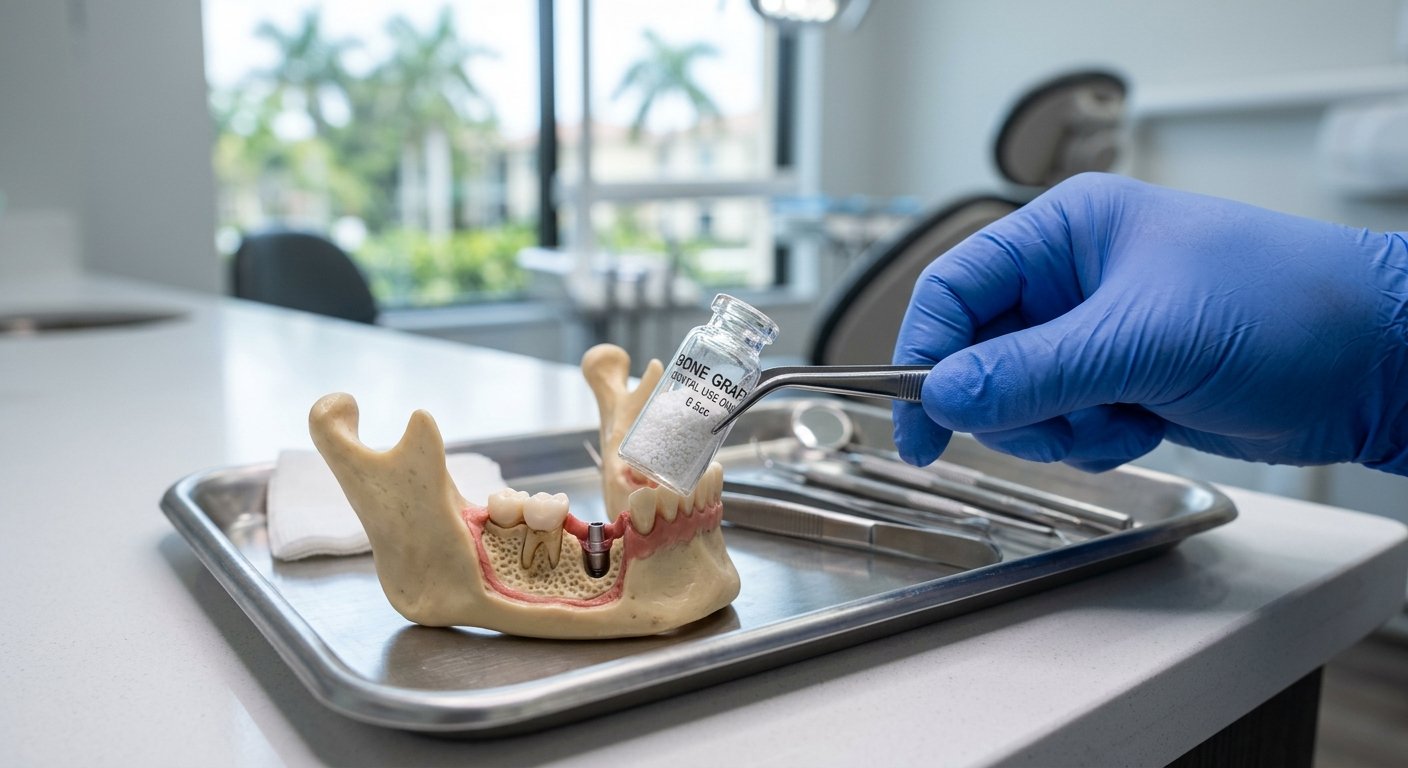
A successful implant needs enough healthy bone to anchor into. Patients who have experienced bone loss from long-term tooth absence may require a bone graft for dental implants before placement. This preparatory step rebuilds the foundation so the implant has the best chance of integrating properly. Dr. Sasha Winderbaum evaluates bone density as part of every implant consultation at the practice.
Gum Health
Peri-implantitis — a gum infection that develops around an implant — is one of the leading causes of implant failure. Keeping gums healthy through consistent brushing, flossing, and professional cleanings significantly reduces this risk. The practice’s GBT Cleaning & Exams use Guided Biofilm Therapy, a proven method that removes the bacterial biofilm most likely to trigger inflammation around implant sites.
Lifestyle Choices
Smoking is one of the most significant risk factors for implant complications. The National Institute of Dental and Craniofacial Research recognizes tobacco use as a contributing factor to oral bone and tissue deterioration. Patients who smoke are counseled honestly about this risk — not to shame, but to give the most complete picture before making a major decision.
Oral Hygiene and Maintenance
Implants cannot get cavities, but the tissue around them absolutely can become diseased. Daily care — gentle brushing around the crown, using an interdental brush or water flosser — combined with regular dental visits is the single most controllable factor in how long your implant lasts.
Implants vs. Dentures: A Practical Comparison

For patients weighing their tooth replacement options, the choice often comes down to implants vs. dentures. Both serve a purpose, but they deliver very different experiences over the long run. Implants preserve the jawbone by transmitting chewing forces to the bone — the same way natural teeth do. Dentures sit on top of the gum line and, over time, can contribute to the bone resorption that changes the shape of your face.
| Consideration | Dental Implants | Removable Dentures |
|---|---|---|
| Bone preservation | Yes — stimulates bone like a natural root | No — bone can resorb over time |
| Stability | Fixed; no movement or adhesive needed | May shift or slip during eating/speaking |
| Maintenance | Brush and floss; regular cleanings | Daily removal, soaking, adhesive upkeep |
| Longevity of base | Potentially lifetime (post) | 5–8 years before refitting typically needed |
| Natural feel | Closely mimics a natural tooth | Can feel bulky or foreign |
For patients who have lost most or all of their teeth, the All-On-4® system offers a full-arch fixed solution anchored by just four implants — a transformative option that avoids the drawbacks of traditional full dentures while preserving bone structure.
The Implant Process: What to Expect
Understanding the dental implant procedure steps helps reduce anxiety and set realistic expectations. It’s not a same-day process for everyone, but the timeline is manageable.
Consultation and imaging
A comprehensive exam with 3D imaging evaluates bone density, gum health, and overall oral condition. This is where bone grafting needs are identified.
Bone graft (if needed)
If bone volume is insufficient, a graft is placed and allowed to heal — typically over several months — before the implant post can be inserted.
Implant post placement
The titanium post is placed into the jawbone under local anesthesia. Osseointegration — the bone fusing to the implant — then takes place over 3 to 6 months.
Abutment and crown fitting
Once integrated, the abutment is attached and a custom crown is crafted and secured. CAD/CAM technology at the practice allows for precision-fit restorations.
Ongoing maintenance
Regular cleanings, including GBT, and periodic check-ins keep the implant and surrounding tissue healthy for the long term.
Addressing Common Concerns Honestly
Are dental implants painful?
This is one of the most common questions patients ask before moving forward. The procedure is performed under local anesthesia, and most patients report that post-operative discomfort is manageable and short-lived. The practice takes dental anxiety seriously and works to keep every appointment as comfortable as possible — there’s no judgment, and no one is rushed.
Is it worth pursuing implants later in life?
Absolutely. Patients in their 60s, 70s, and beyond are among the most motivated implant candidates — and often see the greatest quality-of-life improvements. Age alone is not a disqualifier; overall health and bone quality matter far more. If you’re in Boca Raton, Delray Beach, or anywhere in southern Palm Beach County and wondering whether you’re a candidate, the best step is a consultation.
The titanium post can last a lifetime — the investment you make today supports your oral health for decades to come.
What about the cost?
Dental implant cost is a real consideration, and it’s fair to weigh it carefully. Implants typically require more upfront investment than other options, but their longevity and bone-preserving benefits often make them more cost-effective over time. Financing options are available at the practice — visit the Finance & Insurance page for details, or ask about new-patient consultation offers when you call.
For a deeper dive into everything the process involves, the dental implants service page covers candidacy, technology, and the full scope of what to expect.
Frequently Asked Questions
How long do dental implants last on average?
The titanium implant post is designed to last a lifetime with proper care and regular dental visits. The crown attached on top typically lasts 10 to 15 years or more, depending on wear and maintenance. Individual results vary based on bone health, hygiene habits, and overall health.
What can cause a dental implant to fail?
The most common causes include peri-implantitis (gum infection around the implant), insufficient bone density, uncontrolled systemic conditions like diabetes, and smoking. Early identification and treatment of these issues significantly improve long-term success rates.
Do I need a bone graft before getting dental implants?
Not everyone does. A bone graft is needed only when there isn’t enough bone volume to support the implant securely. Your dentist will assess this during your consultation using imaging. If a graft is recommended, it’s a routine preparatory step, not a complication.
How do dental implants compare to full dentures for long-term use?
Implants preserve jawbone by transmitting chewing forces directly to the bone, which dentures cannot do. Over time, dentures may require refitting as bone changes shape. Fixed implant solutions — including All-On-4 — provide greater stability, comfort, and bone preservation for patients who need full-arch replacement.
What is the best way to make dental implants last longer?
Consistent daily oral hygiene, avoiding tobacco, and attending regular professional cleanings are the most impactful steps. Guided Biofilm Therapy (GBT) cleanings are particularly effective at removing bacterial buildup around implant sites before it causes damage.
Ready to find out if implants are right for you?
Dr. Sasha Winderbaum and the team at Boca Raton Cosmetic Dentist welcome patients from Boca Raton, Delray Beach, Deerfield Beach, Highland Beach, and Parkland — including new patients taking advantage of our implant consultation offer.
About Boca Raton Cosmetic Dentist
Boca Raton Cosmetic Dentist is a locally rooted dental practice serving adults and families in Boca Raton and southern Palm Beach County with cosmetic and restorative dental care. The practice specializes in veneers, dental implants, smile makeovers, whitening, and trusted general dentistry, guided by Dr. Sasha Winderbaum. Patients are welcomed with a warm, judgment-free approach that addresses dental anxiety honestly and frames every treatment as a lasting investment in health and confidence. Visit bocaratoncosmeticdentist.com →