
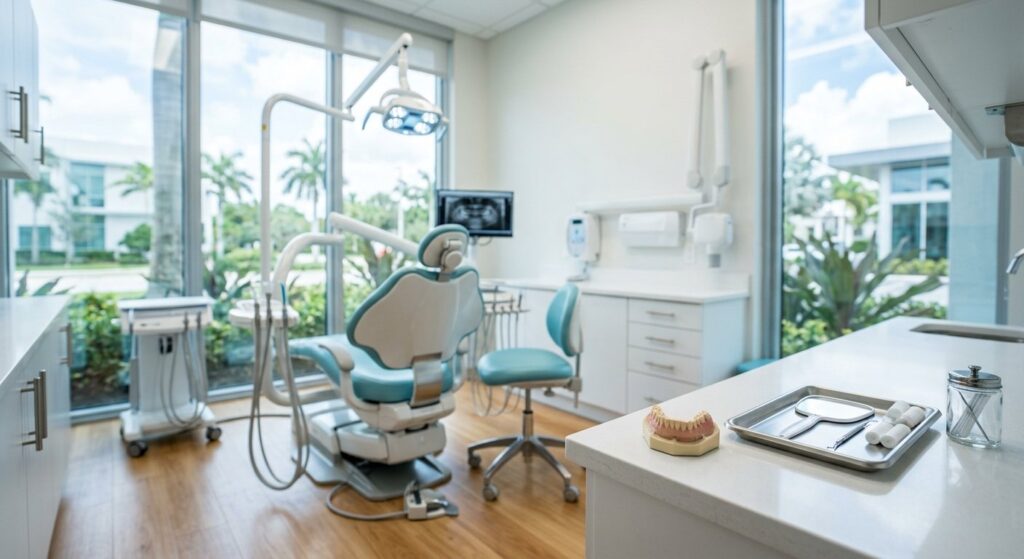
When you’re missing a tooth, a dental implant replaces the entire tooth — root and all — while a dental bridge fills the gap by anchoring to the teeth on either side. For most adults in good health, implants are the longer-lasting solution. But bridges are a valid, effective choice when bone loss, health factors, or timeline make an implant less practical. The right answer depends on your specific situation.
- Implants replace the tooth root and preserve jawbone; bridges do not stimulate bone and rely on neighboring teeth.
- Bridges typically involve fewer appointments and a shorter treatment timeline than implants.
- Both options can look completely natural — a skilled cosmetic dentist makes the difference.
- Age and overall health matter, but neither option is automatically off the table for older adults.
- A personalized consultation — including imaging — is the only way to know which is right for you.
Understanding What Each Option Actually Does
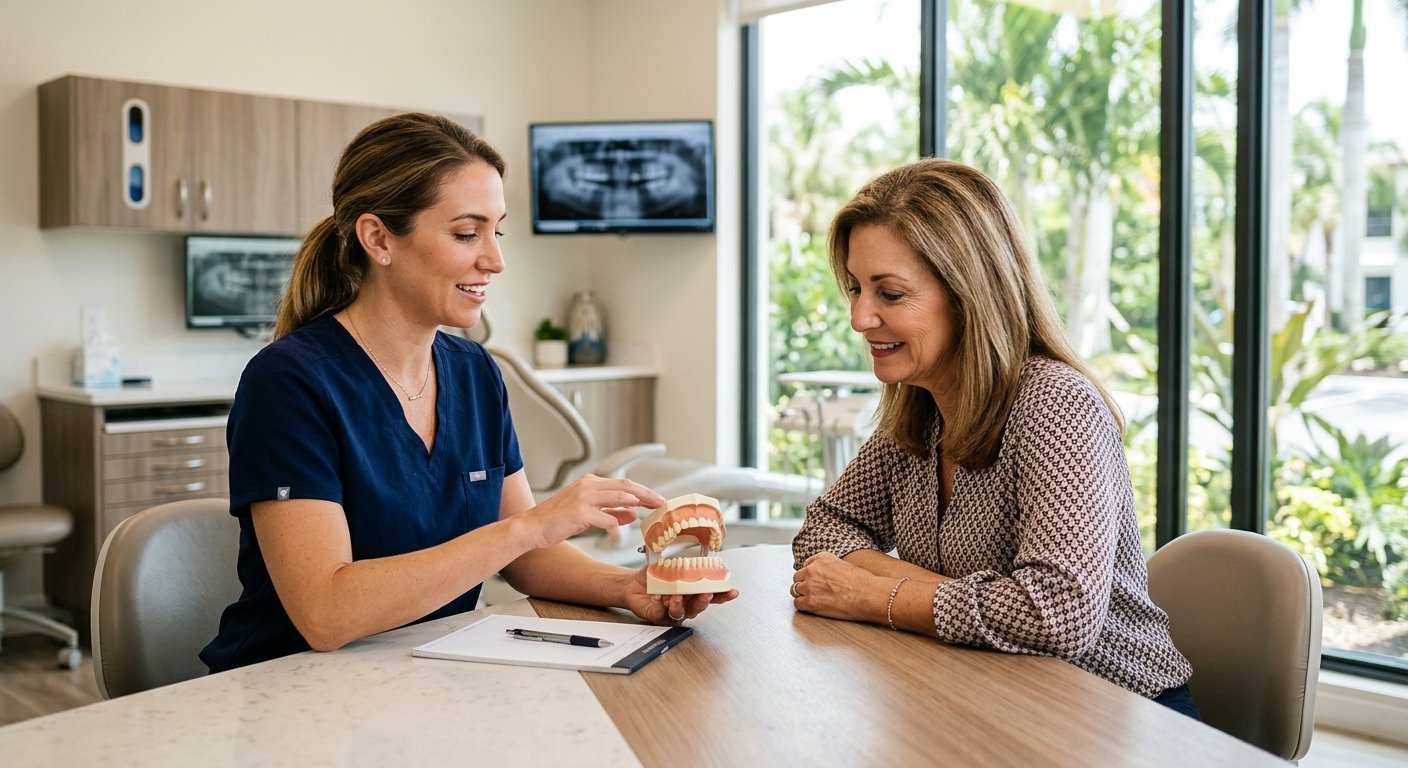
A common misconception is that bridges and implants are basically interchangeable — just different price points for the same outcome. They’re not. They work differently at a biological level, and that distinction shapes everything from how long they last to how they affect your other teeth.
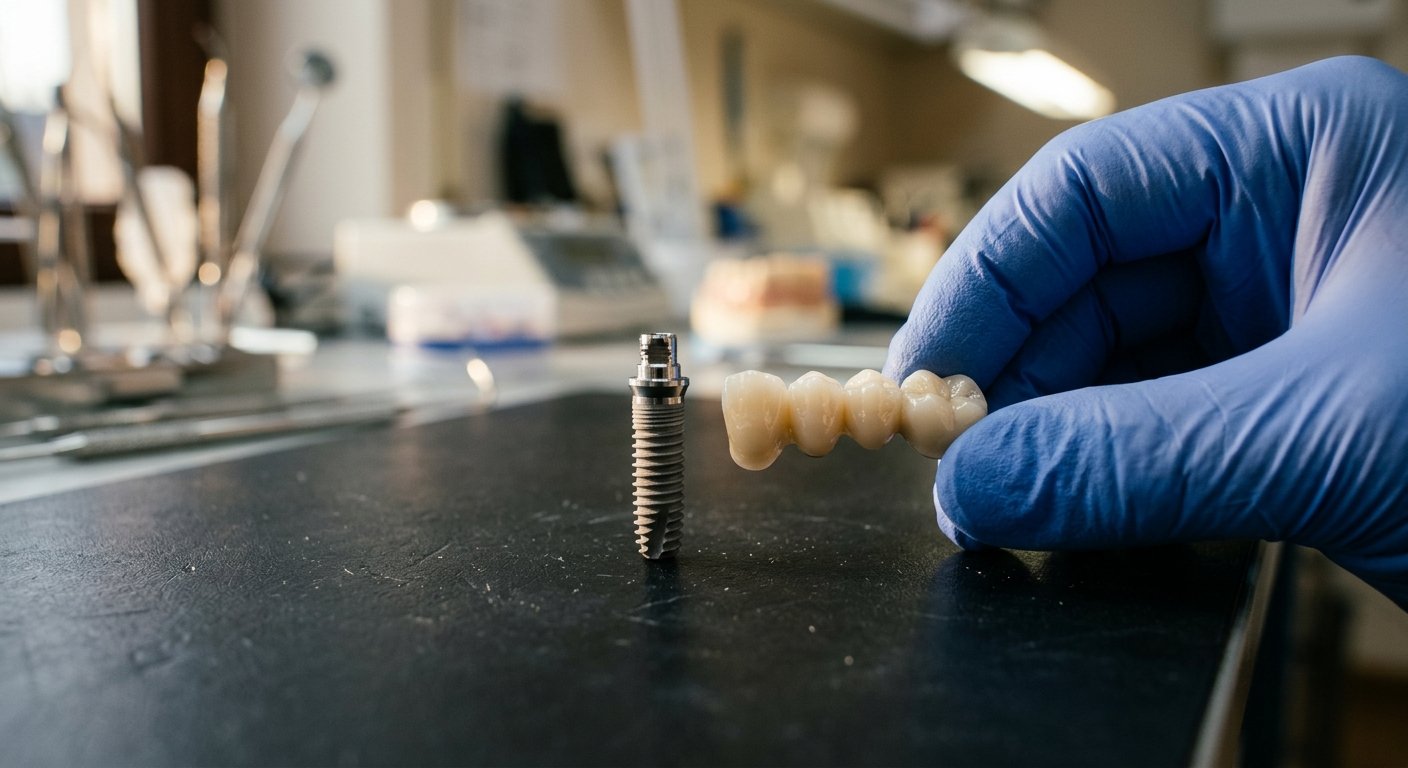
A dental bridge is a prosthetic tooth (called a pontic) held in place by dental crowns cemented onto the healthy teeth on either side of the gap. Those neighboring teeth, called abutment teeth, must be filed down to accommodate the crowns. The bridge sits above the gumline and does not interact with the jawbone beneath.
A dental implant is a small titanium post surgically placed into the jawbone, where it fuses with the bone over several months through a process called osseointegration. Once healed, a natural-looking crown is attached on top. The implant functions like a real tooth root — it stimulates the bone, keeping it from shrinking over time.
When a tooth root is gone, the jawbone underneath gradually shrinks because it’s no longer being stimulated. Over years, this can change the shape of your face and affect neighboring teeth. According to the National Institutes of Health, bone resorption after tooth loss is a well-documented process — one that implants uniquely address by replacing the root itself.
Comparing the Two: A Practical Side-by-Side
Rather than declaring one option universally superior, it helps to look at the criteria that actually affect your daily life and long-term health.
| What to Compare | Dental Bridge | Dental Implant |
|---|---|---|
| Replaces tooth root | No | Yes |
| Affects neighboring teeth | Yes — must be prepared (filed) | No — stands independently |
| Bone preservation | No bone stimulation | Stimulates and preserves bone |
| Treatment timeline | 2–4 weeks (typically) | 3–6+ months (healing time) |
| Number of procedures | Fewer appointments | Multiple stages |
| Feels most natural | Very natural | Closest to a real tooth |
| Best for | Those needing faster results or with bone loss concerns | Those prioritizing long-term root-level health |
How Long Do Dental Bridges Last?
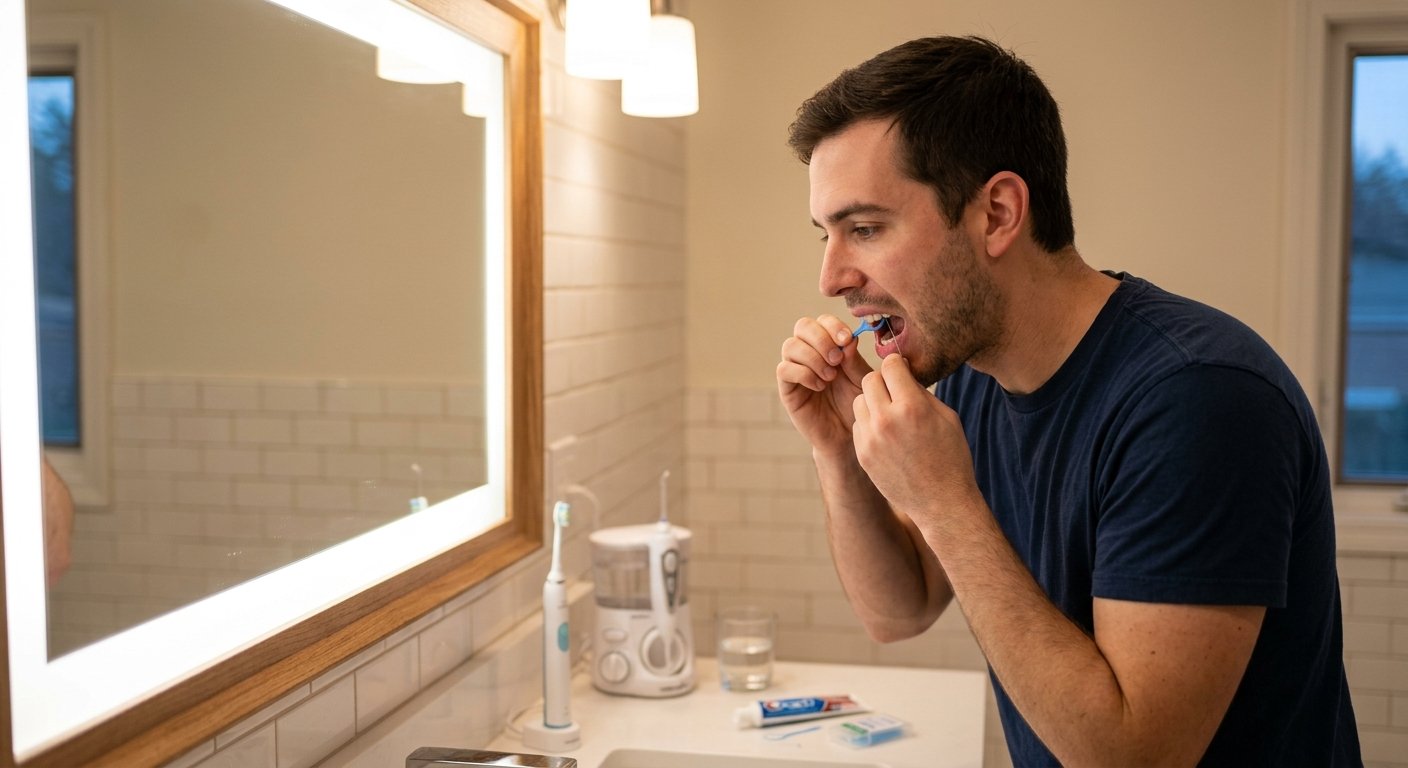
This is one of the most common questions — and the honest answer is: it depends on how well you care for them and the health of your abutment teeth. The American Dental Association notes that with proper oral hygiene, bridges can last many years. The area beneath the bridge (between the pontic and the gum) requires careful cleaning with floss threaders or a water flosser to prevent decay in the supporting teeth.
If decay develops in an abutment tooth, it can compromise the entire bridge — meaning you may eventually need additional restorative work on teeth that were healthy when the bridge was placed. This is worth weighing seriously, especially if those neighboring teeth are currently cavity-free.
The Dental Implant Procedure: What to Expect
If you’ve heard that the implant process is long or complicated, that’s partly true — but it’s worth understanding why. The timeline exists because your body needs time to heal properly. Rushing it would compromise the result.
Consultation and 3D Imaging
A thorough exam — including 3D cone beam imaging — assesses your bone density and maps the exact placement site. This step is essential for precision and safety.
Implant Placement
The titanium post is placed into the jawbone under local anesthesia. For patients with dental anxiety, comfort-focused care and sedation options can be discussed beforehand.
Osseointegration (Healing)
Over several months, the implant fuses with the bone. This is what gives it the stability that makes it feel like a natural tooth.
Crown Placement
A custom crown — matched to the shape and shade of your surrounding teeth — is attached. At our Boca Raton practice, CAD/CAM technology allows for highly precise, well-fitting restorations.
The “Is It Worth It at My Age?” Objection
Many adults in their 50s, 60s, or beyond wonder whether investing in an implant makes sense at this stage of life. The honest answer: age alone is rarely the deciding factor. What matters more is bone density, overall health, and how long you want a solution that functions without affecting adjacent teeth.
For patients who are missing multiple teeth or need more comprehensive work, options like All-On-4 dental implants can restore an entire arch with fewer implant posts — a consideration worth exploring in a full consultation. And for anyone weighing a bigger-picture smile transformation alongside tooth replacement, a smile makeover consultation can help map out what’s possible.
Age alone is rarely the deciding factor — bone density, health, and your long-term goals matter far more.
If implants aren’t the right fit for your situation, a well-crafted bridge from an experienced restorative dentist is a genuinely good outcome — not a consolation prize. Dr. Sasha Winderbaum has placed more than 10,000 crowns over her career, which means the supporting crowns on your bridge will be crafted with the same precision and care as any implant crown.
What About Cost?
It would be misleading to quote specific prices here — costs vary based on your individual anatomy, the materials used, and whether preparatory work (like bone grafting) is needed. What we can say honestly is that implants typically require a larger upfront investment than bridges, but their long-term impact on bone health and neighboring teeth can reduce future dental costs for many patients.
Financing is available at our practice, and we encourage you to ask about current new-patient offers during your consultation. You can review financing and insurance information at our Finance & Insurance page.
Ask your dentist to walk you through the long-term scenario for each option — not just the procedure itself, but what maintaining it looks like in five or ten years. That conversation changes how most people think about value.
Restorative Dentistry in Boca Raton: Finding the Right Fit
Whether you’re in Boca Raton, Delray Beach, Deerfield Beach, or Highland Beach, getting a second opinion or a first honest consultation shouldn’t feel intimidating. Our team welcomes patients who haven’t seen a dentist in years, who feel nervous about procedures, or who are simply trying to make a thoughtful, informed decision without being pressured.
For more detail on the implant process specifically, visit our dental implants service page. It covers candidacy, the full procedure, and what recovery looks like in plain language.
According to the National Institute of Dental and Craniofacial Research, tooth loss affects a significant portion of American adults — and the conversation about how to address it deserves more than a rushed office visit. We take the time to explain your options clearly, answer your questions, and let you decide without pressure.
Frequently Asked Questions
Can I get a dental implant if I’ve had a missing tooth for years?
Possibly, yes — but a bone assessment is essential first. Long-term tooth loss often leads to bone shrinkage, which may require a bone graft before an implant can be placed. A 3D scan at your consultation will clarify exactly what’s possible for your situation.
Does getting a dental implant hurt?
The procedure is performed under local anesthesia, so discomfort during placement is typically minimal. Some soreness and swelling in the days after surgery are normal and manageable. Patients with dental anxiety are encouraged to discuss comfort options before treatment begins — we never want fear to stand between you and care you need.
Will a bridge or implant look natural?
Both can look completely natural when crafted with care. Crowns and pontics are custom-shaded and shaped to blend with your surrounding teeth. The difference is more functional than cosmetic — implants feel more like natural teeth because they’re anchored in the bone.
What happens to the teeth next to a bridge over time?
Because those neighboring teeth are filed down and permanently crowned, they’re more vulnerable to decay if oral hygiene slips. Keeping the area under the bridge clean with floss threaders or a water flosser is essential for protecting the abutment teeth long-term.
Is an implant a better choice than a bridge for a back tooth?
Often, yes — back teeth absorb the most chewing force, and an implant handles that stress independently without putting pressure on neighboring teeth. However, your bone density and health history determine candidacy, so a personal evaluation is the only way to answer this definitively for your situation.
Ready to Find Out Which Option Is Right for You?
Schedule a consultation at our Boca Raton practice — we’ll review your imaging, walk through both options honestly, and help you make a decision that fits your health, your life, and your goals.
About Boca Raton Cosmetic Dentist
Boca Raton Cosmetic Dentist is a locally rooted dental practice serving adults and families in Boca Raton and southern Palm Beach County with cosmetic and restorative dental care. The practice specializes in veneers, dental implants, smile makeovers, whitening, and trusted general dentistry, guided by Dr. Sasha Winderbaum. Patients are welcomed with a warm, judgment-free approach that addresses dental anxiety honestly and frames every treatment as a lasting investment in health and confidence. Visit bocaratoncosmeticdentist.com →